

Top Outdoor Wall Stones: Durable Materials for Garden and Patio Designs
2026-03-09
Transforming your outdoor space into a stunning, functional retreat starts with the right materials—especially when it comes to wall stones that blend durability with aesthetic appeal. In this guide, we delve into the top options for garden and patio designs, offering insights to help you make informed choices for lasting beauty. As you explore these durable materials, consider how innovative solutions from Beata Ceramics can elevate your project with unique, high-quality designs. Whether you're planning a rustic garden wall or a modern patio accent, our curated picks will inspire your next outdoor transformation. Dive in to discover the perfect stones that not only withstand the elements but also enhance your home's charm, setting the stage for a space you'll love for years to come.
Discover the Best Natural Stone Options for Outdoor Walls
When it comes to crafting an outdoor wall that stands the test of time, natural stone offers unmatched durability and a unique aesthetic appeal. Granite, limestone, and sandstone are popular choices, each bringing distinct textures and colors to your landscape. These materials not only withstand harsh weather but also age gracefully, developing a patina that enhances their character over the years.
Consider the versatility of slate and bluestone for creating sleek, modern designs or rustic, earthy backdrops. They can be laid in various patterns, from random ashlar to uniform courses, allowing for personalized touches. Beyond their visual charm, these stones provide excellent insulation, helping regulate temperatures and reducing energy costs in adjacent spaces.
For a truly distinctive look, explore options like travertine or fieldstone, which add organic flair and natural irregularities. Proper installation with quality mortar and sealing ensures longevity and prevents moisture issues. Ultimately, investing in high-quality natural stone transforms outdoor walls into enduring, eye-catching features that elevate any property's curb appeal.
How to Choose High-Durability Stones for Garden Borders
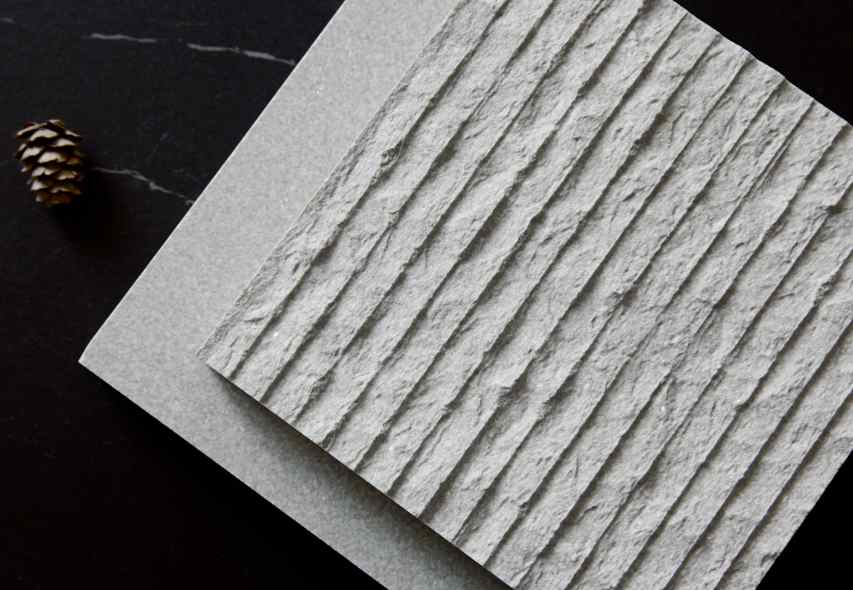
Selecting high-durability stones for garden borders isn't just about picking what looks good; it's a practical decision that affects your garden's longevity. Start by assessing your local climate—if you're in an area with frequent freeze-thaw cycles, opt for dense, non-porous stones like granite or bluestone, which resist cracking. Consider the stone's thickness too; thicker slabs, around 2-3 inches, hold up better against soil pressure and foot traffic over time. Don't forget to check for consistent color and texture, as variations might indicate weaker spots prone to wear.
Think beyond aesthetics and focus on the stone's origin and processing. Locally sourced stones often adapt better to regional weather conditions, reducing long-term maintenance. For example, limestone might be affordable but can erode in acidic soils, while sandstone offers a rustic look but may chip easily. Look for stones with a naturally rough surface or those that have been tumbled for edges, as these tend to interlock securely in borders, preventing shifting and reducing the risk of breakage from minor impacts.
A key tip that many overlook is testing the stone's durability before installation. Try scratching it with a key—if it leaves a mark, it might not last in high-traffic areas. Also, consider the installation method; using a gravel base and proper drainage can extend the life of even moderately durable stones. By prioritizing factors like compressive strength and weathering resistance, you'll end up with a border that stays intact for years, saving you from frequent replacements and ensuring your garden looks polished without constant upkeep.
Creative Ideas for Patio Designs Using Stone Walls
Imagine strolling into your backyard and being greeted by the rustic charm of stone walls that frame your patio. These walls aren't just barriers—they're canvases for creativity. One standout idea is to incorporate built-in stone seating directly into the walls, blending function with natural beauty. Picture cozy nooks where you can lounge with friends, the stone's texture adding warmth and character. For a touch of whimsy, consider embedding small shelves or niches within the walls to display potted plants or lanterns, casting soft glows as dusk falls. This approach transforms ordinary walls into interactive features, making your patio feel like a curated outdoor sanctuary rather than a standard setup.
Another fresh twist is playing with the stone's layout to craft unique patterns or mosaics, turning walls into art pieces. Think beyond uniform rows—mix different stone sizes or colors to create dynamic visuals, like a cascading waterfall effect or geometric designs that catch the eye. Pair this with a dry-stack technique for a more organic, weathered look that invites texture and depth. To enhance the ambiance, integrate subtle lighting by tucking LED strips between stones or installing recessed fixtures, illuminating the walls without overpowering the space. These details add layers of interest, ensuring your patio stands out as a thoughtfully designed retreat that sparks conversation.
For those seeking a functional edge, stone walls can double as practical elements, such as raised planters or fire pit surrounds. Imagine a low stone wall that curves around a fire pit, providing both safety and a rustic backdrop for evening gatherings. Alternatively, create tiered levels with stone to define different zones on your patio—like a dining area separated from a lounging spot—adding dimension without cluttering the space. Use locally sourced stones to tie the design to your region's landscape, giving it a grounded, authentic feel. By blending aesthetics with purpose, these ideas make your patio not just beautiful but a seamless extension of your lifestyle, tailored to inspire relaxation and connection.
Benefits of Using Weather-Resistant Stones in Outdoor Spaces
When you're designing an outdoor space, choosing materials that can withstand the elements is key to avoiding costly repairs down the line. Weather-resistant stones, such as granite, slate, or basalt, offer a natural durability that makes them ideal for gardens, patios, and pathways. Unlike wood or some man-made alternatives, these stones don't warp, crack, or fade easily when exposed to rain, sun, or frost, ensuring your outdoor areas maintain their aesthetic appeal year-round.
Beyond just durability, weather-resistant stones bring unique textures and colors that blend seamlessly with nature, adding a timeless beauty to any setting. They require minimal maintenance—a simple occasional cleaning is often enough—which saves you time and effort compared to materials that need frequent sealing or replacement. This low upkeep means you can enjoy your outdoor space more, focusing on relaxation or entertaining rather than constant upkeep.
In addition to their practical benefits, using these stones can enhance property value by creating a polished, long-lasting look that appeals to potential buyers. They're also eco-friendly options, as they're sourced from natural quarries and can often be recycled or repurposed. By integrating weather-resistant stones into your outdoor design, you're investing in a solution that not only looks great but also stands the test of time, making your space a functional and inviting retreat.
Step-by-Step Guide to Installing Garden Wall Stones
Getting those garden wall stones just right starts with a solid foundation, so grab a shovel and mark out your desired length. You'll want to dig a trench about 6-8 inches deep, depending on your stone size, and tamp the soil firmly—this prevents shifting later on. Consider adding a layer of gravel for drainage, especially if you're in a rainy area; it's a simple step that can save headaches down the line.
Next, lay your first course of stones, checking for level as you go. Mix mortar to a thick, peanut butter-like consistency and spread it on the base before setting each stone firmly in place. Use a string line to keep everything aligned, and don't rush this part—taking time here ensures a sturdy, professional-looking wall that'll stand up to the elements.
For the finishing touches, fill any gaps with mortar and brush off excess before it sets. Let the mortar cure for at least 24-48 hours, keeping it damp if it's hot outside to prevent cracking. Once cured, you can add soil around the base and plant some creeping thyme or moss to soften the edges, blending your new wall seamlessly into the garden.
Maintenance Tips to Preserve Your Stone Features Year-Round
Keeping your stone features looking their best throughout the seasons involves a mix of regular care and proactive measures. Start by cleaning them gently with a soft brush and mild soap, avoiding harsh chemicals that can erode the surface. For outdoor features like patios or garden walls, check for cracks or moss buildup after heavy rains or frost, as these issues can worsen if left unaddressed. A simple sealant applied annually can also shield against stains and weathering, ensuring durability without constant effort.
In colder months, pay extra attention to freeze-thaw cycles that may cause stone to expand and contract, leading to damage. Use breathable covers or de-icing methods that won't corrode the material, such as sand instead of salt. For indoor stone elements like countertops or fireplaces, wipe up spills promptly with a damp cloth to prevent etching from acidic substances like lemon juice or vinegar. This hands-on approach helps preserve the natural beauty and integrity of your stone features year after year.
Beyond basic maintenance, consider personalized touches like using natural stone cleaners tailored to your specific type of stone, whether it's granite, limestone, or slate. Engage in seasonal inspections to spot early signs of wear, and if you notice any discoloration or chipping, consult a professional for repairs before minor issues escalate. By integrating these practices into your routine, you can enjoy stunning stone features that add charm and value to your space without the hassle of frequent overhauls.
FAQ
Granite, limestone, and sandstone are highly favored for their durability and aesthetic appeal in garden and patio designs.
Granite is exceptionally resistant to weathering, making it ideal for areas with extreme temperatures and moisture.
Yes, limestone offers a natural, textured look that enhances rustic themes while being sturdy enough for outdoor use.
Sandstone provides a warm, earthy tone and is easy to shape, allowing for creative patterns in patio layouts.
Recycled concrete and slate are great eco-friendly choices, reducing waste and blending well with natural surroundings.
Regular cleaning with mild soap and sealing every few years can prevent stains and extend the life of the stones.
Conclusion
This guide highlights the best natural stone options for outdoor walls, emphasizing materials that offer both durability and aesthetic appeal for garden and patio designs. Stones like granite, limestone, and slate are top choices due to their resilience against weather and wear, ensuring long-lasting structures. By selecting high-durability stones, you can create garden borders that not only define spaces but also withstand seasonal challenges, enhancing the overall functionality and beauty of outdoor areas.
Incorporating creative ideas, such as mixing stone types or adding textured patterns, transforms patios into inviting retreats while benefiting from weather-resistant properties that reduce maintenance needs. A step-by-step installation approach ensures proper placement and stability, and with regular upkeep like cleaning and sealing, these stone features remain vibrant year-round. Ultimately, these strategies help craft outdoor environments that are both visually striking and built to endure, making them standout additions to any landscape.
Contact Us
Contact Person: Emma
Email: [email protected]
Tel/WhatsApp: 8618064423698
Website: https://www.beataceramics.com/